A website redesign in Cambodia is worth scoping when the current site is actively costing you leads: a mobile checkout or booking form that breaks, a bounce rate that keeps climbing, or Google rankings that have quietly slipped over the past year. With 21.7 million mobile connections active against a population of 17.9 million (DataReportal, Digital 2026: Cambodia, Nov 2025), a site that renders badly on a mid-range Android phone is not a cosmetic problem, it is a lead-generation problem.
Most agencies pitch a redesign as a new look. We scope it as an audit first, a decision second. This guide covers the warning signs, why the audit comes before any design work, how scope and timeline actually work in Cambodia, which platform fits which project, and what to put in your brief.
What actually signals it's time for a website redesign in Cambodia?
Three signals matter more than how dated the site looks: a falling organic ranking on your core pages, a mobile experience that visibly breaks (slow load, unreadable text, a broken KHQR or card checkout), and a content-management system nobody on your team can actually use. Any one of these justifies a scoping conversation. All three together usually mean the underlying platform, not just the design, is the problem.
A fourth signal is more strategic: the site no longer matches what you sell. We see this constantly with Cambodian SMEs that added a service line, like AI-assisted workflows or a new export market, without touching the site meant to sell it. It still loads fine. It just stopped being the site the business actually needs.
A typical case: a Siem Reap tour operator started as a day-trip booking page and, two years later, has added private drivers, drone photography, and multi-day Cardamom Mountains itineraries, none of which appear on the original site. Visitors researching the new offer land on a generic "Angkor Wat tours" page and either bounce to a competitor or message on Facebook to ask if the operator still does what it's now known for.
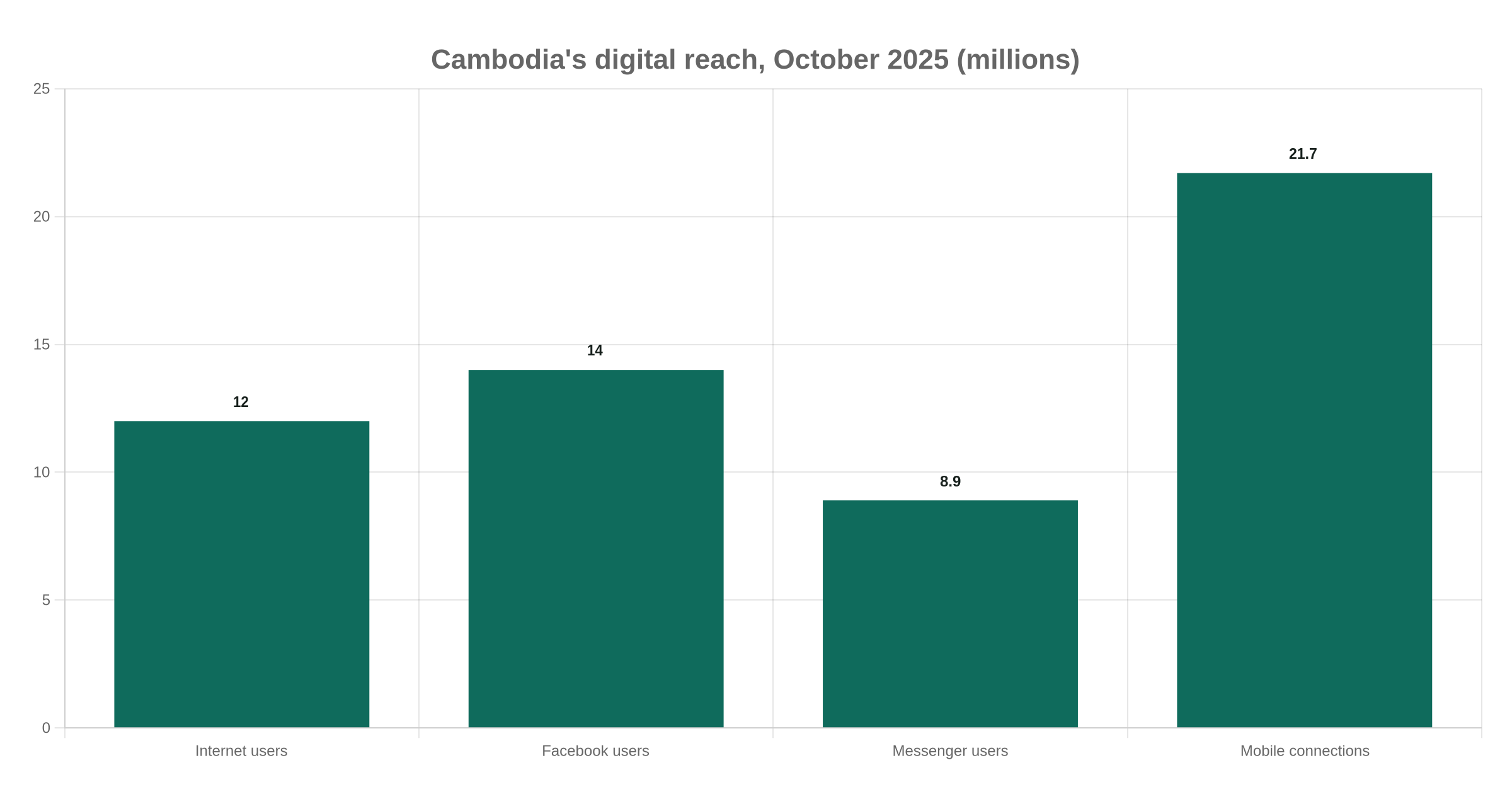
Social media users sit at 14.0 million, 77.9 percent of the population, and Messenger alone reaches 8.9 million people, 49.7 percent (DataReportal, 2026). If your redesign brief does not include a Messenger or Telegram contact path next to the contact form, it is missing how a large share of Cambodian buyers actually prefer to reach a business.
Why should a technical audit come before any new design work?
A technical audit comes before any design work because it is the only way to know what the redesign can safely break. On a redesign for Mandil Avocats, a Phnom Penh law firm specialising in digital-sector legal support, we ran a full Screaming Frog crawl before a single mockup existed: every indexed URL, every backlink target, every page still carrying organic traffic.
That crawl became a redirect map. Every old URL got a 301 redirect to its new equivalent before launch, not after someone noticed traffic had dropped. Skipping this step is the single most common way a redesign quietly erases two or three years of accumulated SEO equity in one afternoon.
The audit also catches content decisions early: which pages to keep, merge, or retire, and which ones the new structure needs to preserve because they still rank. See how we structure a project end to end on our projects page. We would not scope a redesign without this step, on any budget.
Scoping and timeline for a website redesign in Cambodia
A website redesign in Cambodia is scoped the same way a new build is: by page count, booking or payment complexity, and whether content gets rewritten or just migrated. Redesigns are rarely cheaper than new builds. Most of the effort is identical, the audit step is extra.
| Redesign scope | What it typically involves | Timeline |
|---|---|---|
| Showcase site refresh (5 to 10 pages) | New UX/UI, CMS migration, content rewrite, redirect map | 3 to 6 weeks |
| Booking or e-commerce site rebuild | Booking or payment flow, product catalogue, CMS, redirect map | 2 to 4 months |
| Platform or SaaS front-end rebuild | Custom components, API integrations, staged testing | 2 to 4 months |
These ranges come directly from our own delivery process: first UI mockups land in 14 days, a full design project runs 4 to 8 weeks, and a showcase site ships in 3 to 6 weeks end to end. For the fuller picture on how we run a build from discovery to go-live, see our web development in Cambodia guide. We do not publish a fixed price list here: scope drives cost more than any rate card does.
The gap between tiers is bigger than it looks on paper. A 20-room guesthouse site can have roughly the same page count as a 6-page consulting showcase, yet the availability calendar, the KHQR or card deposit flow, and the multilingual listings each need their own QA pass, which pushes it to 2 to 3 months while the showcase ships in weeks. Same visible size, different build: we quote the guesthouse only once the audit confirms what the booking flow actually needs.

Should you rebuild on Webflow, go custom, or just patch the old site?
You should rebuild on Webflow for most SME redesigns in Cambodia, reserve custom code for genuinely custom logic, and patch the existing site only when it is under two years old and the problem is narrow. The right call depends on what is actually broken, not on what platform is fashionable this year. We default to Webflow for the handover, not the trend: it leaves a non-technical team able to edit copy, swap images, and publish blog posts themselves once we are gone, without filing a ticket for every text change.
| Approach | Best fit | Timeline impact | SEO and redirect risk |
|---|---|---|---|
| Webflow rebuild | Showcase, brochure, light e-commerce | Fits the 3 to 6 week window | Low, if redirects are mapped before launch |
| Custom code rebuild | Custom logic, non-standard integrations | Adds weeks for QA and testing | Depends entirely on the dev team's migration discipline |
| Patch the existing site | Site under 2 years old, narrow problem | Days to a couple of weeks | Lowest, nothing to redirect |
We compare Webflow against the alternative most Cambodian businesses ask about in our Webflow vs WordPress breakdown, and against no-code platforms more broadly in our piece on no-code development in Cambodia. Neither comparison changes the audit-first rule: whatever platform you land on, map the URLs before you touch a single template.
What do most website redesigns in Cambodia get wrong?
Most website redesigns in Cambodia get the mobile experience wrong first: they get designed and reviewed on a desktop monitor in an agency office, then shipped to a market where mobile carries the majority of traffic. With 121 percent mobile penetration and 94 percent of connections already on broadband speeds (DataReportal, 2026), a redesign that is not mobile-first from the wireframe stage is starting from the wrong assumption.
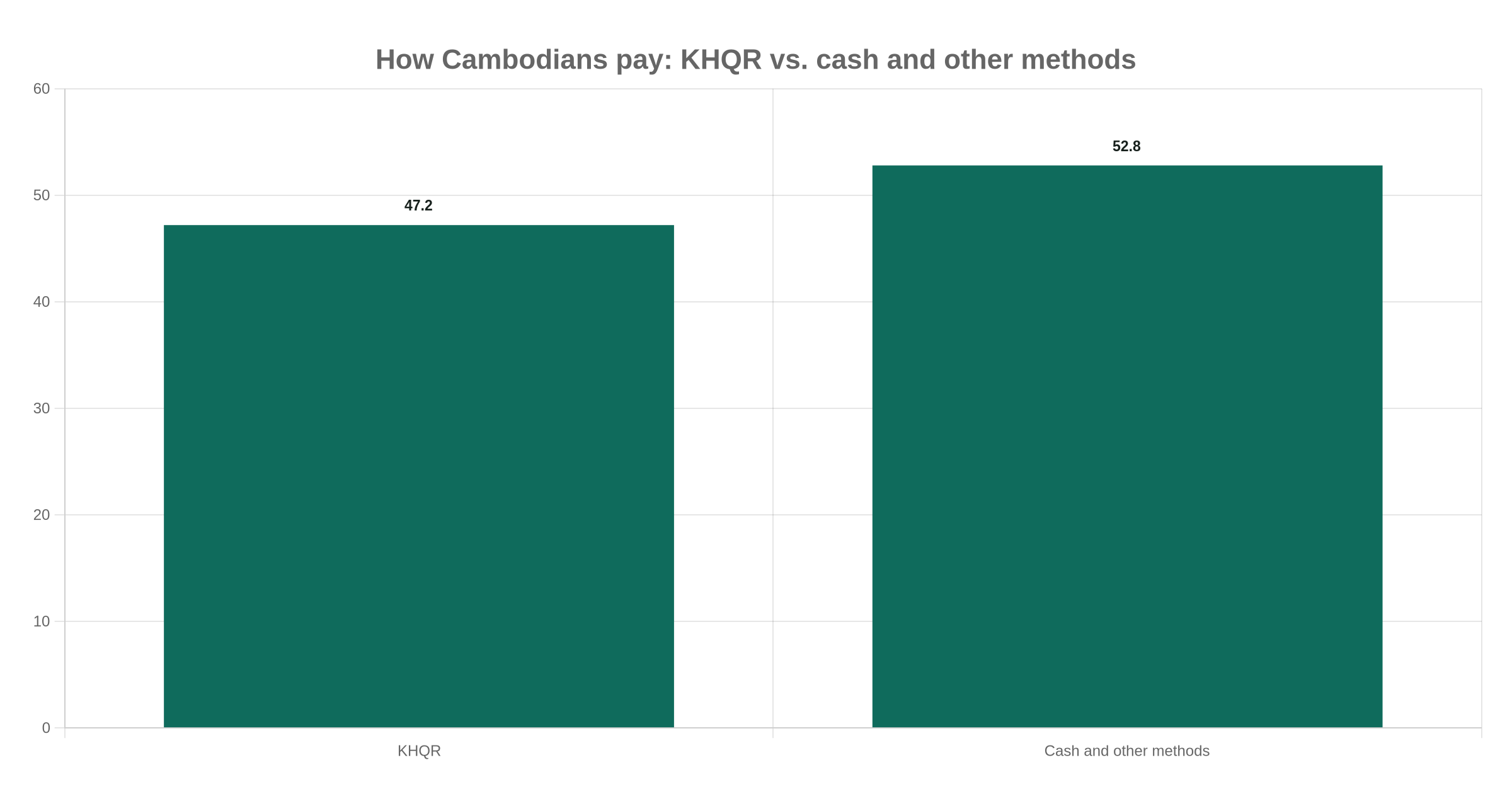
The second mistake is payments. KHQR now accounts for 47.2 percent of all transactions nationwide, ahead of cash, and is accepted by more than 4.5 million merchants (National Bank of Cambodia, 2025 Financial Stability Report). A redesigned checkout or booking form that still routes everyone through a card form alone, with no KHQR or ABA PayWay option, is ignoring how most local customers actually prefer to pay.
The third mistake is the one covered above: no redirect plan. We have inherited redesigns where the previous team deleted the old URLs on launch day, and recovering those rankings took longer than the redesign itself.
Does site speed actually change how a redesigned site performs?
Site speed changes both your Google ranking and your conversion rate, and the effect is large enough to scope for deliberately. Across 10,000 domains, sites failing both INP and LCP thresholds dropped an average of 3.4 ranking positions, while one e-commerce site in the same analysis cut its INP from 340ms to 128ms and gained 23 percent more organic traffic in 6 weeks, moving up 1.4 positions on average (Digital Applied, March 2026 Core Update analysis).
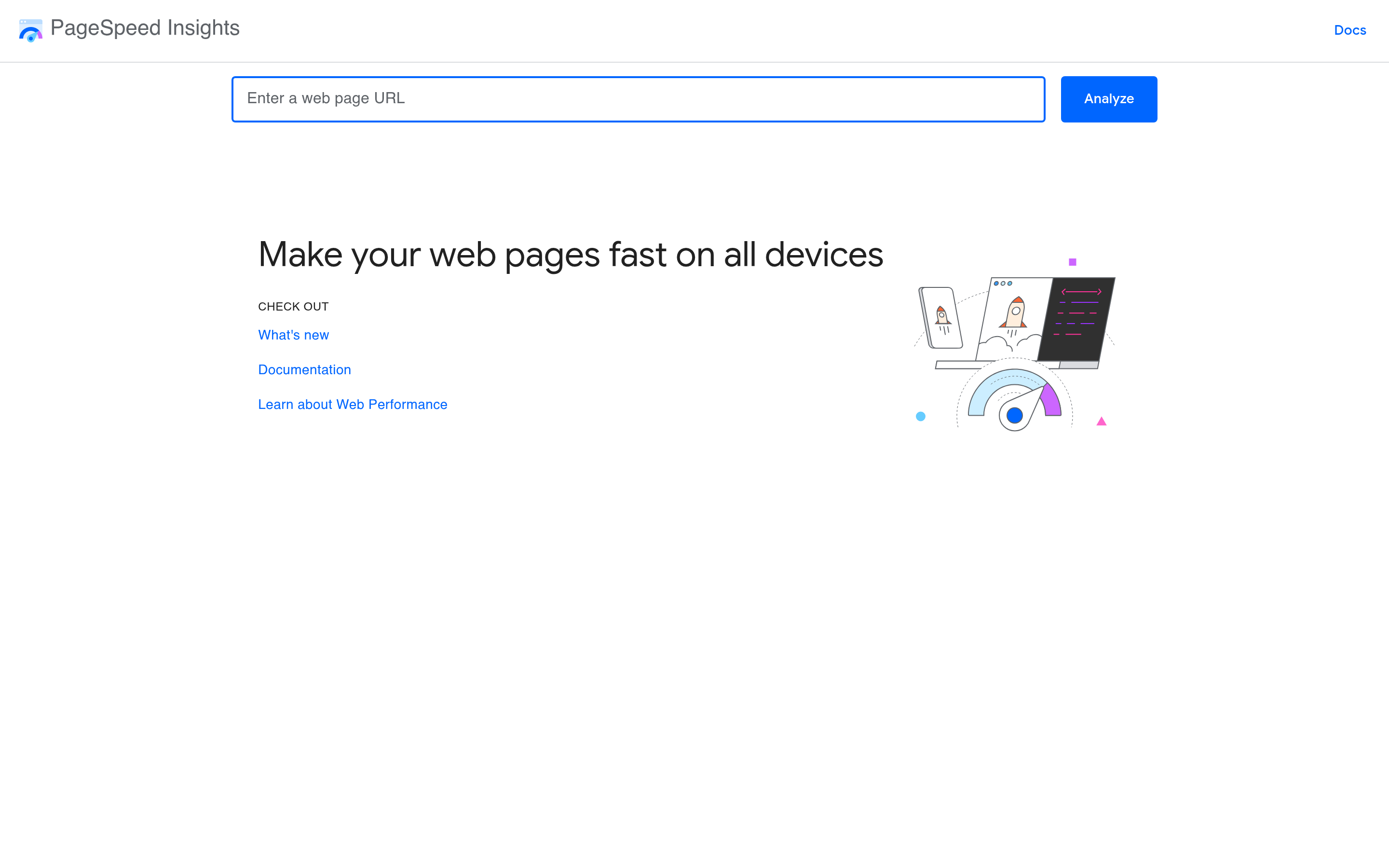
Rakuten 24, an online store run by Rakuten Group, measured a 53.37 percent increase in revenue per visitor and a 33.13 percent increase in conversion rate after a Core Web Vitals investment (Google web.dev case study). Few Cambodian SMEs will see numbers that large, but the direction holds: a faster site converts better, not just ranks better. Run yours through Google PageSpeed Insights before your first scoping call.
Building your redesign brief before you talk to an agency
A useful brief does four things before an agency ever opens a design tool:
- Names the audit findings: the pages that rank and must not lose their URL, the ones to merge or retire, and the ones that need a genuinely new structure.
- States the platform constraint, if any, such as a CMS your team can already use without training.
- Sets the real timeline against the scope table above, not an arbitrary deadline pulled from a launch date.
- Names who owns content sign-off, since content delays are the most common reason a 3 to 6 week showcase redesign slips past 6 weeks.
Marketing-led brands redesign every 2 years and 1 month on average (Orbit Media analysis of 50 sites; Databox survey of 145 SMBs found 49 percent had redesigned in the past two years), but a well-built redesign should not need another one for 5 years or more if the audit and the platform choice were both right the first time.
Before you send that brief, know what to ask the web development company you are briefing: who owns the redirect plan, who tests on real Android devices, and what happens to content mid-project decide more of the outcome than the mockups do.
If you want a second opinion on scope before you brief anyone else, request a scoped estimate from our development team. We will tell you honestly if a full redesign is overkill for what is actually broken.
Prefer to chat? Message our founder directly on Telegram (@maxgrolier), or book a call with the team.
Frequently asked questions
How much does a website redesign cost in Cambodia?
Cost depends on scope, not a fixed rate card: a showcase refresh is a different project from a booking or e-commerce rebuild. We price every redesign against the actual audit findings, typically around 35 percent below comparable European agency rates. Ask for a scoped estimate rather than a ballpark figure.
Will a redesign hurt our Google rankings?
A redesign only hurts your rankings if nobody maps the old URLs to their new equivalents before launch. With a full crawl and a 301 redirect plan in place before go-live, a redesign should protect existing rankings and often improves them once the technical and speed issues are fixed.
How long does a typical redesign take?
A showcase site refresh (5 to 10 pages) typically takes 3 to 6 weeks. A booking, e-commerce, or platform rebuild runs 2 to 4 months, mostly because of payment integrations, product catalogues, and staged testing. The audit itself adds days, not weeks, to either timeline.
Do we need a full redesign, or can we just fix specific pages?
If your site is under two years old and the audit turns up two or three specific problems, a targeted patch is usually enough and is far faster than a full rebuild. A full redesign earns its cost when the platform itself is the constraint: an unmanageable CMS, a broken mobile experience across the whole site, or a structure that no longer matches what you sell.